
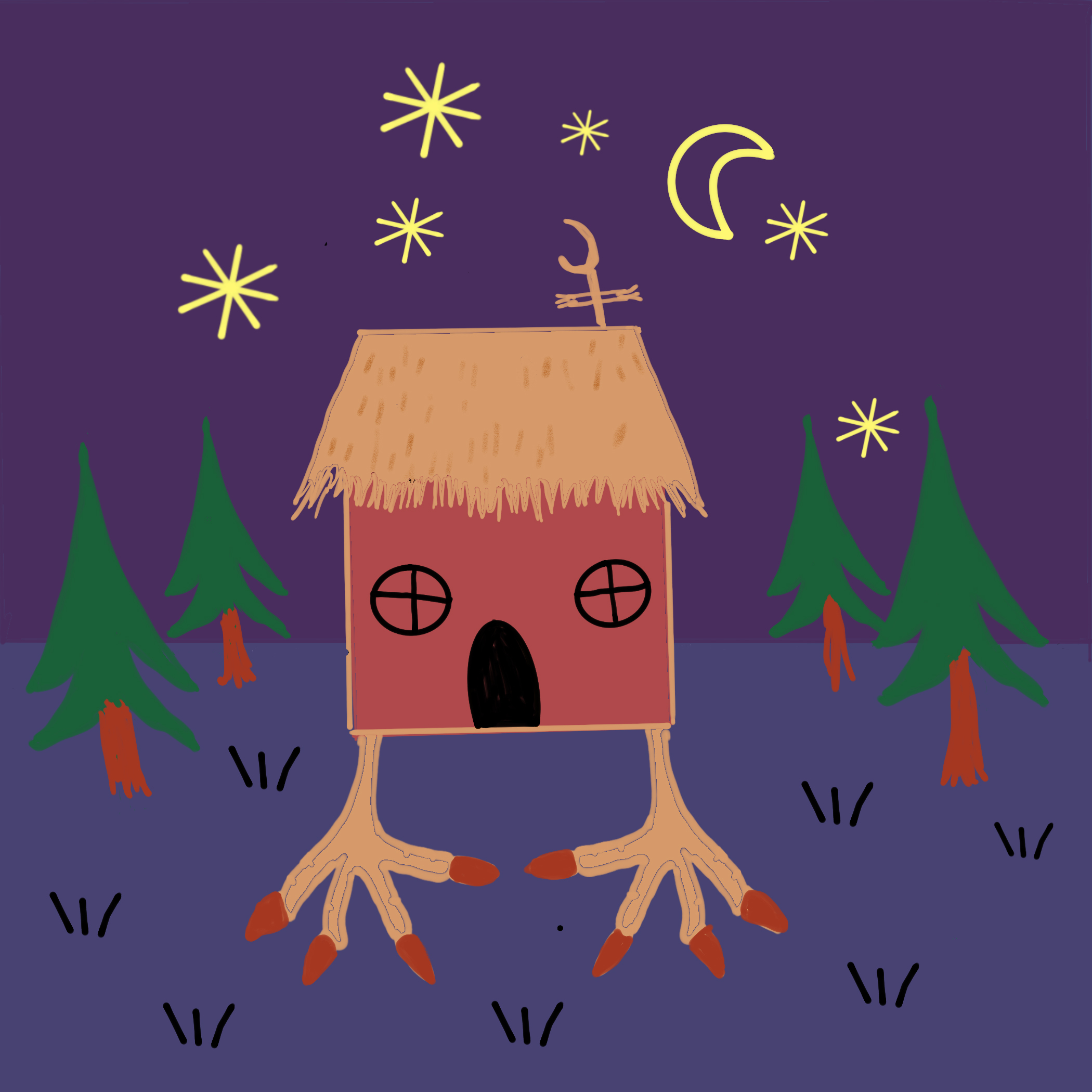
For the past year, I’ve been mentoring students in the Community Ministry Certificate (CMC) programme at Cherry Hill Seminary — an online, not‑for‑profit divinity school dedicated to earth‑centred and pagan spirituality. After completing the programme myself, stepping into the role of mentor felt like entering a shared metaphysical space — what I’ve come to call the cottage in the woods. It’s not a literal place, but a symbolic one: a quiet, sacred room where we can speak honestly about our practices, our doubts, and our evolving spiritual lives.
This mentoring work has taught me more than I expected. It has shown me the patterns, struggles, and revelations that so many pagans share, even though our paths are wildly diverse. These are some of the lessons that keep emerging.
—
Pagans Are Not “Converted”
Nearly every student I’ve worked with describes a moment of recognition rather than conversion. They didn’t become pagan — they realised they had always been pagan. Whether through reverence for nature, intuitive experiences, liminality, or metaphysical encounters, they felt something long before they had a name for it.
This is why visibility matters. We don’t proselytise, but we do need to be findable. People who feel spiritually lost deserve to know that a path exists that might finally make sense to them.
—
The Importance of Visibility
Visibility isn’t about recruitment. It’s about resonance. Many people hesitate to call themselves pagan because they don’t fit a specific tradition or deity‑focused path. But paganism is a broad umbrella — forgiving, intuitive, and deeply personal.
You don’t need a lineage, a pantheon, or a perfect practice. If the word pagan feels like home, that’s enough.
—
Healing from Spiritual Abuse
A surprising number of students arrive carrying wounds from oppressive religious environments. Spiritual abuse isn’t always physical or sexual — often it’s emotional manipulation, enforced hierarchy, or being told your worth depends on obedience.
Many only recognise the harm once they experience a healthier model of spiritual leadership. Healing from that takes time, compassion, and community.
—
Finding Community Is Hard — and Worth It
Pagans are scattered. Even when you find other pagans, their path may look nothing like yours. Building community requires patience, vulnerability, and sometimes disappointment.
Some students already have thriving circles; others are still searching. Both are valid. Community is something we grow into, not something we stumble into fully formed.
—
Practice Before Belief
Many of us were raised to think belief comes first. But in paganism, practice often leads the way.
Meditation, ritual, gardening, divination, walking in nature — these embodied acts open intuitive channels that belief alone cannot. Practice grounds us. Practice reveals what is true for us.
Belief is conceptual. Practice is experiential.
—
The Learning Never Ends
Paganism is constantly expanding. Students often arrive with a narrow understanding shaped by European traditions, only to discover global, decolonised, and richly varied paths. The more we learn, the more the landscape opens.
—
Permission to Be Who You Already Are
One of the most common themes: people already have a healthy spiritual life — they just don’t recognise it because it doesn’t match what they think it “should” look like.
Part of mentoring is simply saying:
Your practice is valid. Your intuition is trustworthy. You don’t need anyone’s permission.
Social media can make us feel like imposters. But spirituality isn’t a performance. If your path nourishes you, it is the right path.
—Closing Thoughts
The cottage in the woods is a metaphysical concept of where we can be safe to imagine a different world.
It is a place that exists out of space and time. A place through our conversations that we conjure. Like the circle that is cast in ritual, it suspends us between worlds and allows us to grow in our practice and reevaluate our place in the world as Pagans leaders as well as spiritual searchers.
Each one of the stories my mentees brings to the cottage is unique and replete with lessons and it has been an honor to bear witness to their growth and learn from them.
In the cottage we are equal and teach each other. The phrase “holding space” is commonly used in alternative spiritual communities but for a long time I wasn’t entirely sure I understood it. As mentor, I have at last come to a deep understanding and appreciation for it.
The cottage in the woods — this shared, sacred mentoring space — has shown me how deeply personal and yet profoundly communal paganism can be. We are each crafting our own path, but we walk alongside one another.
If you’re curious about the Community Ministry Certificate, you can explore it through the link I’ve included, and you’re welcome to reach out with questions.
https://cherryhillseminary.org/academics/certificate-programs-at-cherry-hill-seminary-2/#cmc-anchor
—
Leave a Reply